
What Are the Signs of Hypothermia and How Do You Treat It?
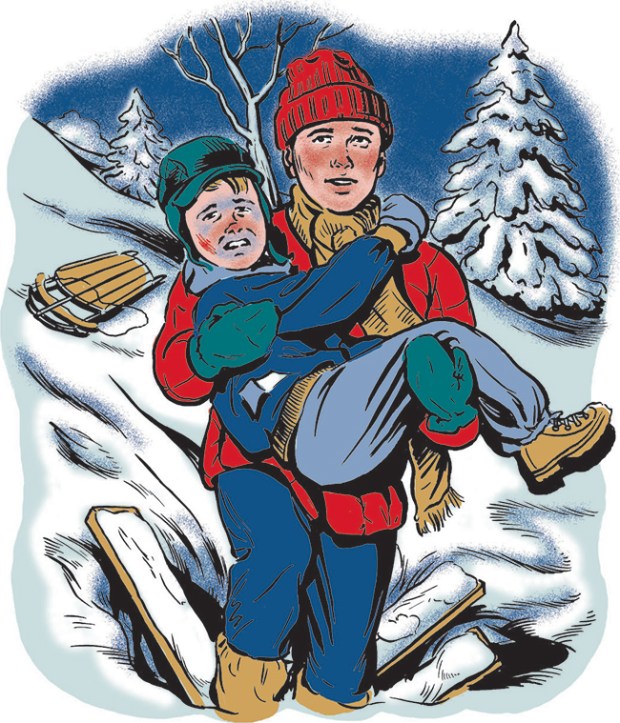
Twelve-year-old Erick Cole was sick at heart, and scared. Erick and his little brother, Andy, 4, had been sledding together out in the Nebraska snow. When it came time to go home, Erick decided to make another run; Andy said he’d wait for his big brother at the bottom of the hill.
But as Erick reached the end of his final slide, he discovered Andy had vanished! The temperature was dropping quickly, and soon Erick was desperate in his search for Andy.
Where could he be?
The older boy walked near an abandoned construction pit, calling “Andy! Andy!” That’s when Erick heard a weak cry. His brother had slipped into the pit and was too small to climb out.
Erick jumped down into the pit to rescue him. Andy was dazed, crying and unable to walk. Gently, Erick picked him up and carried Andy to the nearest house. It was a close call. Andy survived, but the cold had almost killed him.
WHAT CAUSES HYPOTHERMIA?
Your body gets energy from the food and water you consume. As you process food and water, heat is released, keeping you warm inside. Usually you make more heat than you need. Your body sheds the excess heat through conduction, convection, evaporation, and radiation to stabilize your inner (core) temperature at 98.6 degrees Fahrenheit.
When you lose heat faster than you make it — Andy’s problem — your internal temperature begins to fall. Dehydration, the weather, hunger and exhaustion can all contribute to this body heat loss.
A drop in core temperature is called hypothermia. This dangerous condition happens when you’re exposed to the cold. Temperatures don’t have to drop below freezing, though. Hypothermia can occur on any windy, chilly day, especially if you’re wearing wet clothes.
WHAT ARE THE SIGNS OF HYPOTHERMIA?
A hypothermic person develops increasingly serious problems as his body continues to cool down. The signs of hypothermia are:
- Confusion and trouble solving problems, plus mild shivering.
- Stumbling and stronger shivering, pale skin, having trouble speaking and an “I-don’t-care” attitude.
- Inability to walk and horrible shivers.
- Slow heartbeat and breathing. Skin turns blue. Muscles grow rigid. Shivering stops for the same reason a motor dies — there’s no more fuel. Then, death.
HOW DO YOU TREAT HYPOTHERMIA?
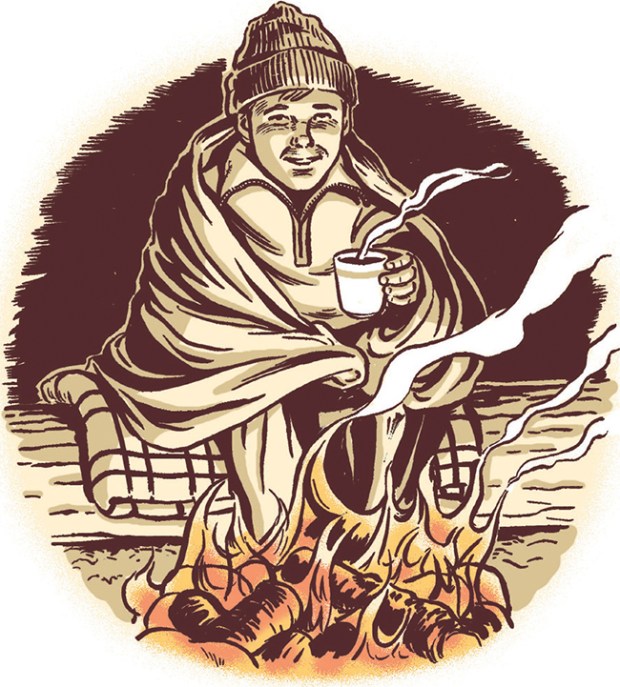
MILD HYPOTHERMIA: Someone who can still shiver, walk and talk has mild hypothermia. You can warm that person back up to normal body temperature.
It’s simple. Here’s how:
Get the person into a building or tent and have them change into warm, dry clothes. Keep their head and neck insulated and get them into a dry sleeping bag or use blankets to gradually warm them up. If you can, get the person to a source of heat, such as a fire. Don’t apply direct heat like a heating pad. Be sure to help them change their socks if theirs are wet.
If they’re able to eat or drink, offer them food or warm drinks that have sugar or simple carbohydrates. Sweet fluids like hot cider or sweetened tea, as well as high-energy foods, such as candy, will help their body generate heat.
SEVERE HYPOTHERMIA: Severe hypothermia starts when someone can’t shiver anymore. Handle the person with care. No rough stuff. Take off their damp clothing. Bundle them in warm, dry layers and make sure there’s insulation underneath.
Wrap the person in something waterproof and windproof, such as a tent fly, and be careful that their head is protected from the cold, too. Monitor them closely and get emergency aid.
Watch others in the group to make sure they’re not developing symptoms too.
HOW DO YOU AVOID HYPOTHERMIA?
The best medicine is prevention. Here are some ways to prevent hypothermia:
- Wear clothes designed to keep you warm in the cold.
- Wear lots of thin layers of clothes instead of one heavy garment, such as a coat. If you get warm and sweaty, take off a layer to let the sweat dry. If you start feeling cold again, add layers of clothing.
- Drink and eat a lot, so your body has plenty of “fuel” to generate heat.
- In a group, watch out for hypothermia’s symptoms in others. They may not realize they are becoming hypothermic.
this website is really helpful
my scout troop doesn’t teach this stuff,
so this is all i get
qwerty is cool
thats helpful
thanks for that now i wount get hypothermia
im in scouts and this info really helped me
Thank you for your advices
this website is amasing
that is so cool.
eat bananas
I am doing a project about hypothermia and this website (and it’s pictures!) helped me alot
The best medicine is prevention. Here are some ways to prevent hypothermia:
Wear clothes designed to keep you warm in the cold.
Wear lots of thin layers of clothes instead of one heavy garment, such as a coat. If you get warm and sweaty, take off a layer to let the sweat dry. If you start feeling cold again, add layers of clothing.
Drink and eat a lot, so your body has plenty of “fuel” to generate heat.
In a group, watch out for hypothermia’s symptoms in others. They may not realize they are becoming hypothermic.
thank you for giving me this info! I will avoid it now!
I Got Hypothermic When I Was Little N I Went To Hospital..xXx
My Dad had hypothermia one time when he was little.
They are makeing drinks now that will warm them selves up in about 5 minutes no matter what the temperature. These would be a smart investment if the stores around you sell them.
I like health